Explore our Curriculum & Resources

Video

Land and Water– Lesson 2/3 The Water Cycle: Modeling Land and Water

Filed Under
Grade 1
Grade 2
Grade 3
Grade 4
Grade 5
Kindergarten
Earth & Space Science
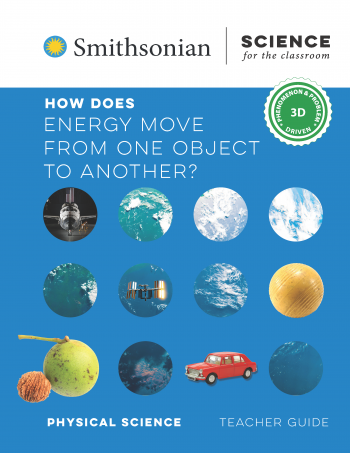
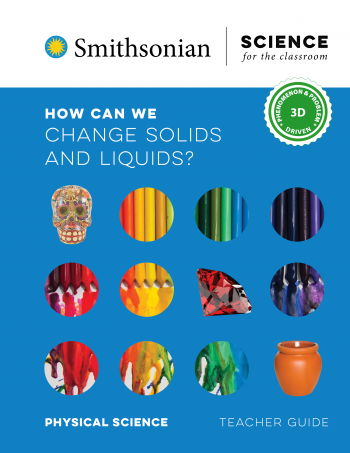
Cover fo the grade 2 physical science teacher's guide
Curriculum

How Can We Change Solids And Liquids?

Filed Under
Grade 2
Physical Science
Video

Floating and Sinking– Investigating Boat Designs

Filed Under
Grade 1
Grade 2
Grade 3
Grade 4
Grade 5
Kindergarten
Physical Science
Video

Understanding Weather and Climate– Lesson 7: Hurricanes- Destructive Storms

Filed Under
Grade 6
Grade 7
Grade 8
Earth & Space Science
How Can We Change Solids and Liquids?
Curriculum

How Can We Change Solids and Liquids?

Filed Under
Grade 2
Physical Science
Curriculum

STC Program: Food Chemistry Student Investigations Guide, 3rd Edition

Filed Under
Grade 6
Grade 7
Grade 8
Physical Science
Curriculum

STC Program: Catastrophic Events Unit Kit

Filed Under
Grade 6
Grade 7
Grade 8
Earth & Space Science
Curriculum

STC Secondary: Discovering Electrical Systems

Filed Under
Grade 6
Grade 7
Grade 8
Physical Science
Curriculum

STCMS™: Earth's Dynamic Systems

Filed Under
Grade 6
Grade 7
Grade 8
Earth & Space Science
Video

Sound– Lesson 1: Thinking about Sound

Filed Under
Grade 1
Grade 2
Grade 3
Grade 4
Grade 5
Kindergarten
Physical Science
Purple teachers guide cover of kindergarten earth and space science
Curriculum

How Can We Be Ready for Weather?

Filed Under
Kindergarten
Earth & Space Science
Video

Land and Water– Literacy Extension

Filed Under
Grade 1
Grade 2
Grade 3
Grade 4
Grade 5
Kindergarten
Earth & Space Science
Video

Understanding Weather and Climate– Lesson 4: Heat Transfer and the Movement of Air

Filed Under
Grade 6
Grade 7
Grade 8
Earth & Space Science
Curriculum

STC Program: Light Unit Kit

Filed Under
Grade 6
Grade 7
Grade 8
Physical Science
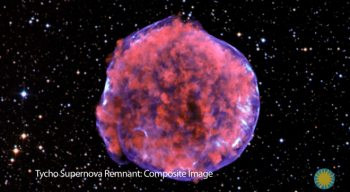
Composite image of stars from the Chandra X-ray Telescope
Video

Explore Smithsonian: How Do Astronomers See the Invisible Parts of the Universe?

This is a free resource
Filed Under
Grade 3
Grade 4
Grade 5
Grade 6
Grade 7
Grade 8
Earth & Space Science
Video

Exploring Plate Tectonics– Recording Earthquake Waves

Filed Under
Grade 6
Grade 7
Grade 8
Earth & Space Science
Video

Floating and Sinking– Making a Sinker Float

Filed Under
Grade 1
Grade 2
Grade 3
Grade 4
Grade 5
Kindergarten
Physical Science
Curriculum

STC Secondary: Investigating Circuit Design

Filed Under
Grade 6
Grade 7
Grade 8
Physical Science
Video

Experimenting with Mixtures, Compounds, and Elements– Separating Solutes (Preparation for Lesson)

Filed Under
Grade 6
Grade 7
Grade 8
Physical Science
Curriculum

STC-Secondary™: Researching the Sun-Earth-Moon System

Filed Under
Grade 6
Grade 7
Grade 8
Earth & Space Science
the cover of Unbalanced Forces Grade 3 Physical Science Trainer Guide
Resource

Unbalanced Forces Grade 3 Physical Science Trainer Guide

This is a free resource
Filed Under
Grade 3
Physical Science
Curriculum

STCMS™: Space Systems Exploration

Filed Under
Grade 6
Grade 7
Grade 8
Earth & Space Science
Video

Experimenting with Forces of Motion– The Force of Friction

This is a free resource
Filed Under
Grade 6
Grade 7
Grade 8
Physical Science
Video

Land and Water– Literacy Integration (Using Alphabet Box with Science Vocabulary)

Filed Under
Grade 1
Grade 2
Grade 3
Grade 4
Grade 5
Kindergarten
Earth & Space Science
cover of the Motion Energy Grade 4 Physical Science Trainer Guide
Resource

Motion Energy Grade 4 Physical Science Trainer Guide

This is a free resource
Filed Under
Grade 4
Physical Science
Video

Soils– Lesson 6: How Quickly Do Soils Settle in Water?

Filed Under
Grade 1
Grade 2
Grade 3
Grade 4
Grade 5
Kindergarten
Earth & Space Science
Resource

How Can We Identify Materials Based on Their Properties? Grade 5 Physical Science Trainer Guide

This is a free resource
Filed Under
Grade 5
Physical Science
Resource

Ecosystems– Lesson 7: Joining Terrarium and Aquarium

Filed Under
Grade 1
Grade 2
Grade 3
Grade 4
Grade 5
Kindergarten
Earth & Space Science
the blue cover of grade 3 physical science teachers guide
Curriculum

How Can We Predict Patterns of Motion?

Filed Under
Grade 3
Physical Science