Smithsonian Science Education Center
  • About Us
  • News
  • Events
  • Games
  • Blog
  • Distance Learning
  • 40th Anniversary
  • Director's Circle
  • Donate
  • Goals
    • Innovation
    • Inclusion
    • Sustainability
  • Curriculum
    • Smithsonian Science for the Classroom
    • Smithsonian Science for Global Goals
    • Smithsonian Science Stories
    • STCMS
    • STC Curriculum
    • Explore Smithsonian
    • Free Resources
    • Smithsonian Science for Makerspaces
    • Girls and Women in STEM
    • Smithsonian Science for Computational Thinking
    • Women in STEM eBook Series
    • Futures
  • Professional Development
    • Smithsonian Science for NC and SC Classrooms
    • Smithsonian Science Education Academies for Teachers
    • Good Thinking!
    • Quick Tips for Teachers
    • English Learners in STEM
    • Upcoming Events
  • Leadership Development
    • Zero Barriers in STEM
    • Network for Emergent Socio-Scientific Thinking (NESST)
    • Science Education Leadership Summit
    • Strategic Planning Institute
    • Action Planning Institute
    • LASER
    • Building Awareness for Science Education
    • Next Steps Institute
    • Upcoming Events
  • Outreach
    • Where We Are
    • Smithsonian Science for Summer School (S4)
    • Always Thinking Like A Scientist (ATLAS)
    • STEM Literacy Project
    • Success Stories
    • France in Focus
    • Smithsonian Science for Global Goals Research
    • Smithsonian Youth STEM Exchange

STEMvisions Blog

View all Posts
Science
26
Oct

The Sweet Sounds of Particles Colliding

By Sarah Wells

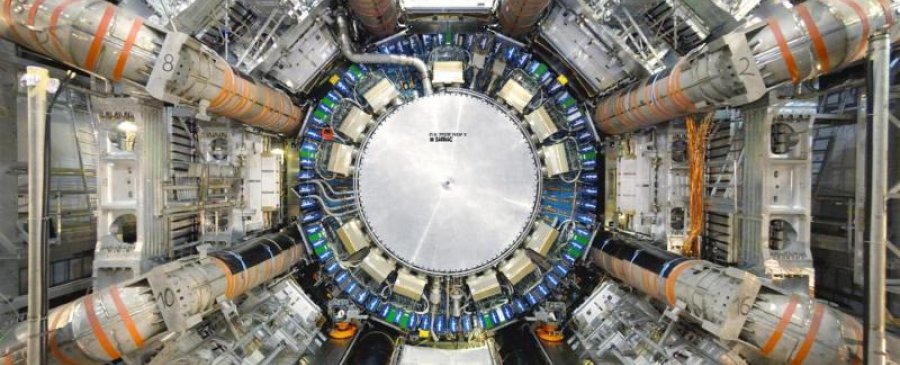
When it comes to pushing the boundaries of science, you need to look no further than the European Organization for Nuclear Research (or CERN). Based in Geneva, Switzerland, CERN is a complex of particle accelerators and detectors—the most well-known being their Large Hadron Collider (or LHC), which is the world’s most powerful particle accelerator. Now, you might reasonably ask, “Why are we accelerating particles?” At the core of these experiments is one true objective: to find out what the Universe is made of.

Read More
Subscribe to our RSS FEED

Categories

  • Science
  • Behind the Scenes
  • Education

Popular Posts

  • It’s All About the Tilt: Seasons Misconceptions Debunked
  • What is Photosynthesis
  • Are All Snowflakes Really Different? The Science of Winter
  • What Are Clouds?
  • What is the Winter Solstice?

Featured Authors

  • Brian Mandell, PhD
  • Kate Echevarria
  • Katya Vines, PhD
  • Jean Flanagan

Archives

    • 2012
      • October (1)
      • November (1)
      • December (2)
    • 2013
      • January (1)
      • February (2)
      • March (2)
      • April (3)
      • May (5)
      • June (4)
      • July (6)
      • August (5)
      • September (3)
      • October (7)
      • November (4)
      • December (3)
    • 2014
      • January (4)
      • February (4)
      • March (5)
      • April (4)
      • May (4)
      • June (6)
      • July (8)
      • August (2)
      • September (4)
      • October (2)
      • November (2)
      • December (1)
    • 2015
      • January (3)
      • February (4)
      • March (2)
      • April (5)
      • May (2)
      • June (7)
      • July (8)
      • August (6)
      • September (6)
      • October (3)
      • November (1)
      • December (3)
    • 2016
      • January (2)
      • March (5)
      • April (1)
      • May (2)
      • June (3)
      • July (6)
      • August (2)
      • September (4)
      • October (6)
      • November (5)
      • December (4)
    • 2017
      • January (1)
      • February (2)
      • March (3)
      • April (2)
      • May (4)
      • June (3)
      • July (4)
      • August (6)
      • September (3)
      • October (3)
      • November (2)
      • December (3)
    • 2018
      • January (4)
      • February (6)
      • March (2)
      • April (7)
      • May (2)
      • June (1)
      • July (3)
      • August (4)
      • September (3)
      • October (1)
      • November (2)
      • December (4)
    • 2019
      • January (1)
      • February (2)
      • March (5)
      • April (3)
      • May (1)
      • June (2)
      • July (2)
      • August (3)
      • September (2)
      • November (1)
      • December (2)
    • 2020
      • January (1)
      • February (1)
      • March (3)
      • April (3)
      • May (1)
      • June (3)
      • July (2)
      • August (1)
      • September (2)
      • October (2)
      • November (2)
      • December (5)
    • 2021
      • January (1)
      • February (2)
      • March (4)
      • April (1)
      • May (4)
      • June (1)
      • July (3)
      • September (1)
      • November (1)
      • December (1)
    • 2022
      • January (2)
      • February (2)
      • March (1)
      • April (4)
      • May (3)
      • June (2)
      • July (1)
      • August (3)
      • September (2)
      • October (5)
      • November (2)
      • December (2)
    • 2023
      • February (5)
      • March (2)
      • April (1)
      • May (2)
      • July (2)
      • August (2)
      • September (1)
    • 2024
      • January (1)
      • February (1)
      • March (1)
      • May (1)
      • July (2)
      • September (1)
      • October (1)
      • December (1)
    • 2025
      • April (2)
      • May (1)
      • June (1)
      • July (1)
      • November (1)
    • 2026
      • January (1)
  • About Us
  • STEMvisions Blog
  • SI Home
© 2026 Smithsonian Science Education Center
  • Privacy
  • Terms of Use
  • Twitter
  • Facebook
  • Youtube
  • LinkedIn
  • Instagram